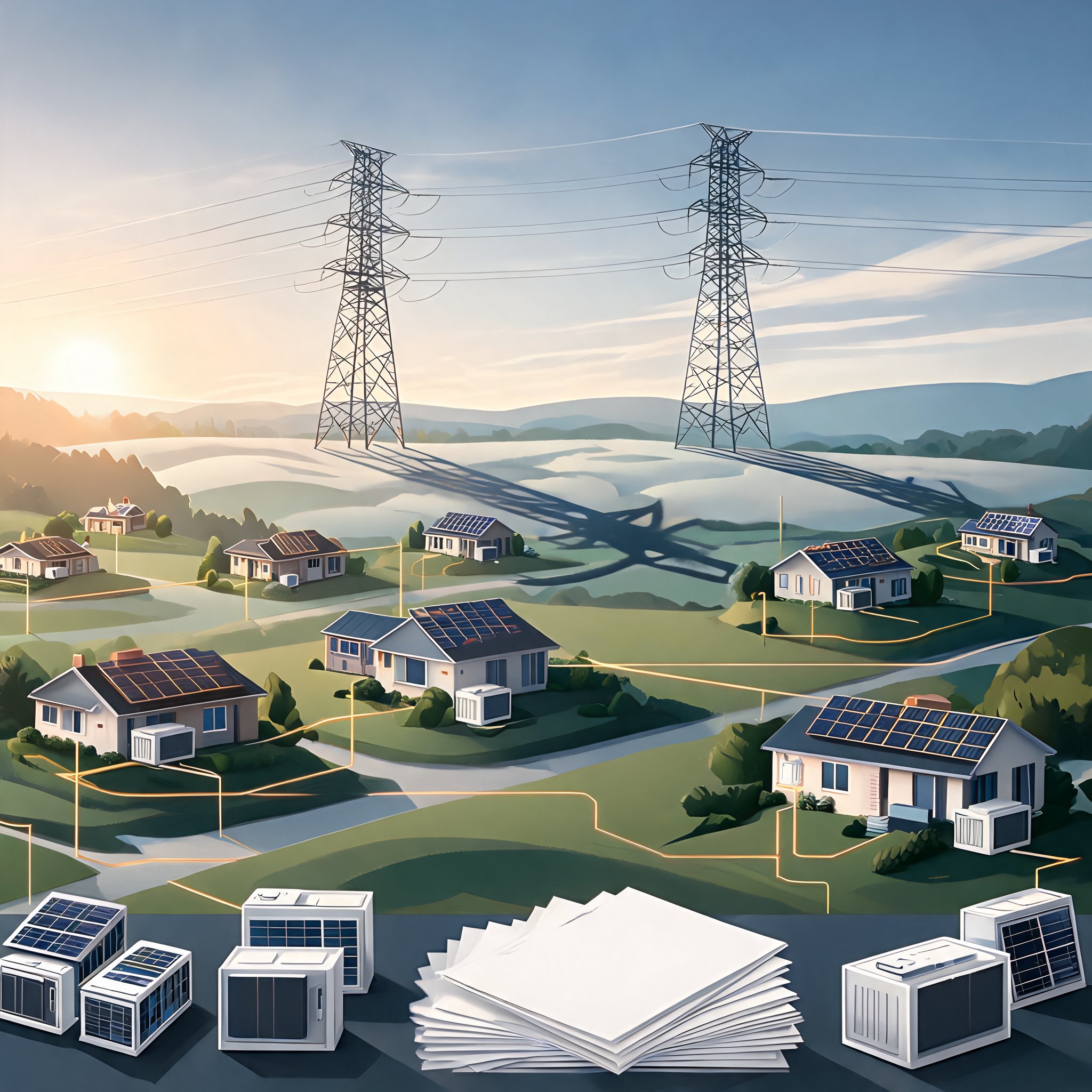
The Storage and Clean Energy Coalition has filed testimony opposing the proposed merger of Dominion Energy and NextEra Energy, saying the combination would pose an unacceptable risk to competition in Virginia.
The group said the merger could affect the spread of renewable energy in the state. It also criticized the utilities for not addressing competition in the procurement of generation resources, competition from distributed energy resources, or competition to provide non-wire alternatives to traditional utility infrastructure investment.
Lindsey Hallock, interconnection policy director at Permit Power and an SCEC member, disputed the utilities’ position that the merger would not affect competition. She said Dominion and NextEra policies make connecting home solar and batteries to the grid time-consuming and expensive for Virginia families trying to lower their bills. Hallock called for interconnection reform as a condition of the merger, including automated interconnection processes and authorization of meter socket adapters, which she said reduce the cost of home solar and battery connections.
The coalition also claims that long interconnection queues at both utilities would worsen after a merger. It is asking the utilities to adopt interconnection automation tools for residential and small commercial projects and to permit meter sockets, which can avoid main service panel upgrades, to speed the process.
SCEC’s testimony also points to NextEra’s political activity. It cites NextEra’s role through Florida Power & Light in influencing legislation that would have substantially reduced rooftop solar compensation for residential customers when a very small percentage of households had rooftop solar. The coalition described that as one of the most infamous examples of NextEra using political influence to seek policies favoring it over competition.